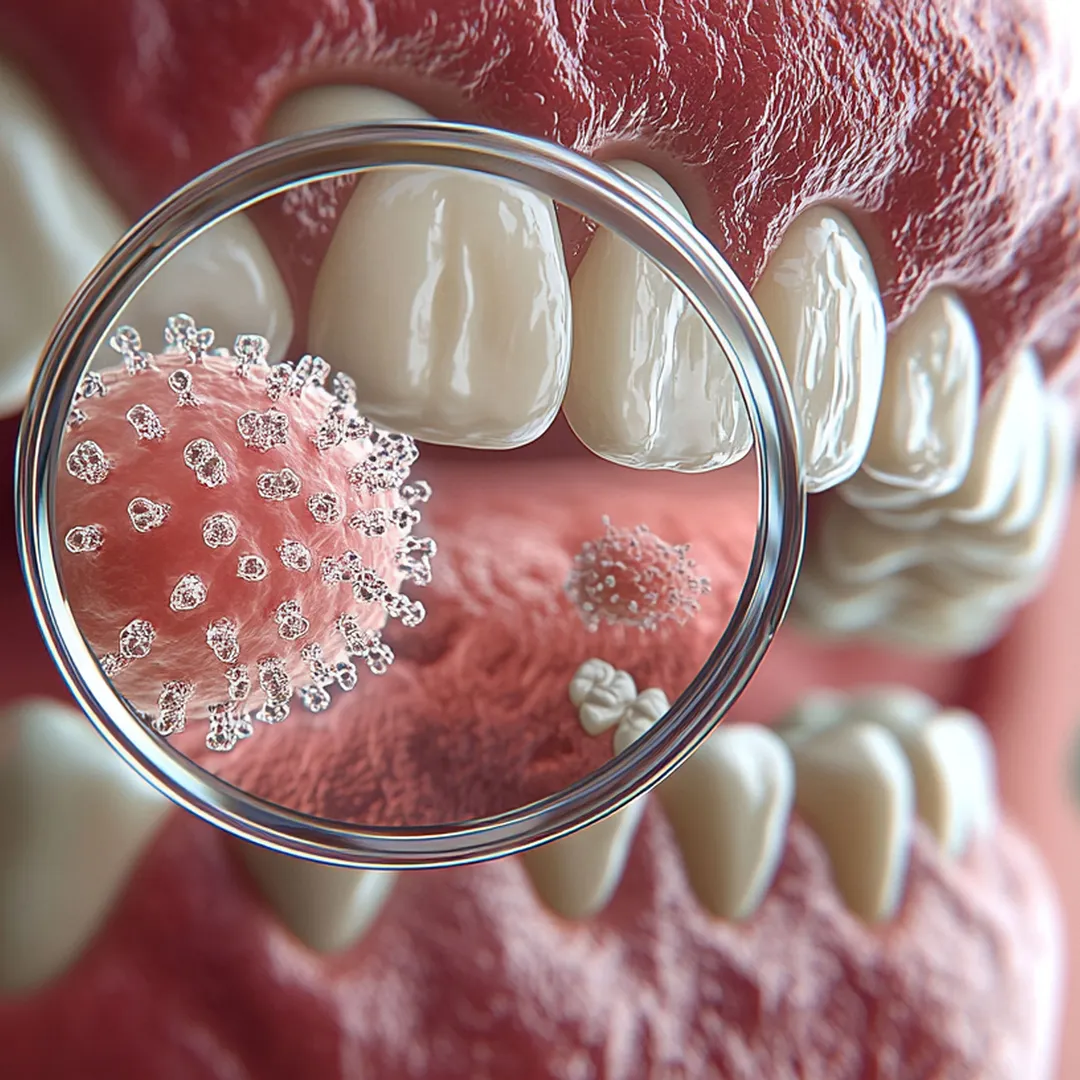
Oral Cancer Screening

Frequently asked questions about Oral Cancer Screening

Oral cancer screening is a vital tool for early detection of precancerous or cancerous conditions in the oral cavity.

What is oral cancer screening?

Oral cancer screening is a preventive procedure where your dentist checks for signs of cancer or precancerous conditions in your mouth. The goal is to detect oral cancer early, when treatment is most effective. It’s a quick and non-invasive part of regular dental check-ups.

Who should get an oral cancer screening?

Everyone can benefit from regular oral cancer screenings, but it’s especially important for people who use tobacco, drink alcohol heavily, or have a family history of cancer. Even if you don’t fall into these categories, early detection is key, so ask your dentist about it during your routine visits.

What happens during an oral cancer screening?

Your dentist will examine your mouth, including your lips, tongue, cheeks, gums, and throat, for unusual sores, lumps, or discoloration. They may also feel your neck and jaw for any abnormalities. In some cases, advanced screening tools like special lights or dyes may be used for better detection.

Are there symptoms of oral cancer I should watch for?

Yes, be aware of symptoms like persistent mouth sores, lumps, difficulty swallowing, unexplained bleeding, or changes in voice. If you notice any of these symptoms lasting more than two weeks, consult your dentist or doctor immediately.

How can I reduce my risk of oral cancer?

You can reduce your risk by avoiding tobacco products, limiting alcohol consumption, maintaining good oral hygiene, eating a healthy diet, and protecting your lips from sun exposure. Regular dental check-ups and screenings are also vital for early detection and prevention.