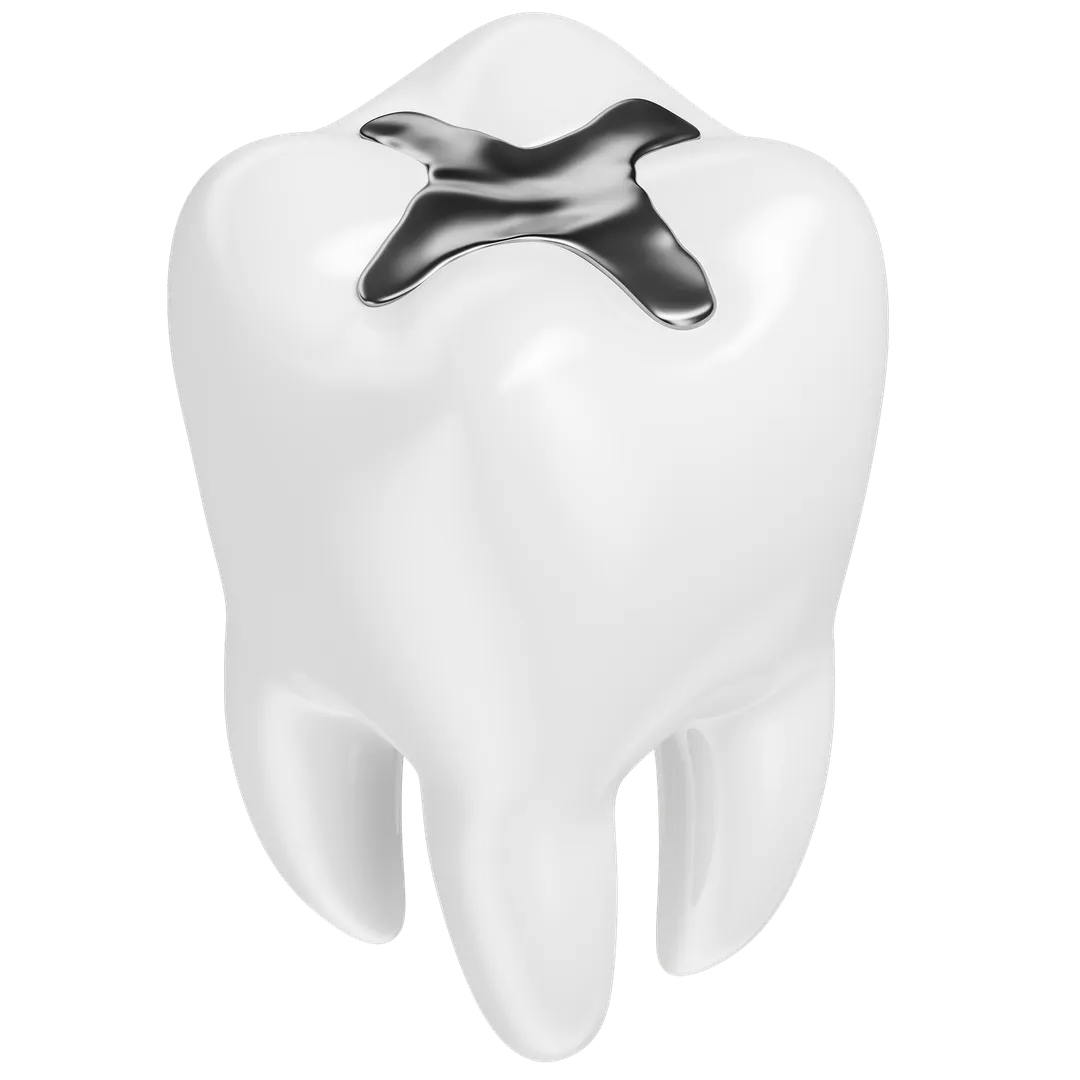
Dental Fillings

Frequently asked questions about Dental Fillings

Dental fillings, whether made of composite resin or glass ionomer cement (GIC), are effective solutions for restoring teeth affected by decay, fractures, or wear.

What are dental fillings?

Dental fillings are materials used to restore a tooth that has been damaged by decay. The material fills the cavity to restore the tooth’s shape and function. Fillings can be made from various materials, including amalgam (silver), composite (tooth-colored), gold, or porcelain.

How do I know if I need a dental filling?

Your dentist will diagnose the need for a filling if you have a cavity, which may be caused by tooth decay. Symptoms such as tooth sensitivity, visible holes or cracks in the tooth, or pain while chewing can indicate that a filling is needed.

How long do dental fillings last?

The lifespan of a filling depends on the material used, as well as how well you care for your teeth. For example, amalgam fillings can last 10-15 years, while composite fillings generally last about 5-10 years. Regular dental check-ups can help ensure your fillings remain in good condition.

Are dental fillings painful?

The process of getting a dental filling is usually not painful. Your dentist will numb the area around the affected tooth with a local anesthetic to ensure you are comfortable. After the procedure, you may experience some mild discomfort or sensitivity, which typically resolves within a few days.

Can I eat right after getting a filling?

It’s advisable to wait until the numbness from the anesthesia wears off before eating to avoid accidentally biting your tongue or cheek. If you have a silver (amalgam) filling, wait about 24 hours for it to fully harden. For tooth-colored fillings, you can eat as soon as you feel comfortable.